


Extraordinary doesn't happen by accident.
We've spent years studying what drives exceptional performance, learning from Presidents, Olympic champions, astronauts, entrepreneurs and Nobel Prize winners. Combined with insights from more than 370 academic references, these conversations have helped shape our understanding of what drives exceptional performance.
Why do some people, teams and organisations consistently achieve exceptional results while others fall short of their potential? Is it strategy? Talent? Hard work? Resilience? Confidence? Each matters, but none provides a complete answer.
Extraordinary achievement is rarely the result of a single defining factor. Instead, it emerges from a combination of attitudes, behaviours, skills, relationships and environments working together. The highest performers understand this instinctively. They focus not on one thing, but on building the conditions that make success more likely.
What makes this important is that these factors are not fixed. They can be understood, developed and strengthened. That's why the science of success sits at the heart of everything we do - from leadership development and talent programmes to world-record projects, digital platforms and organisational transformation.

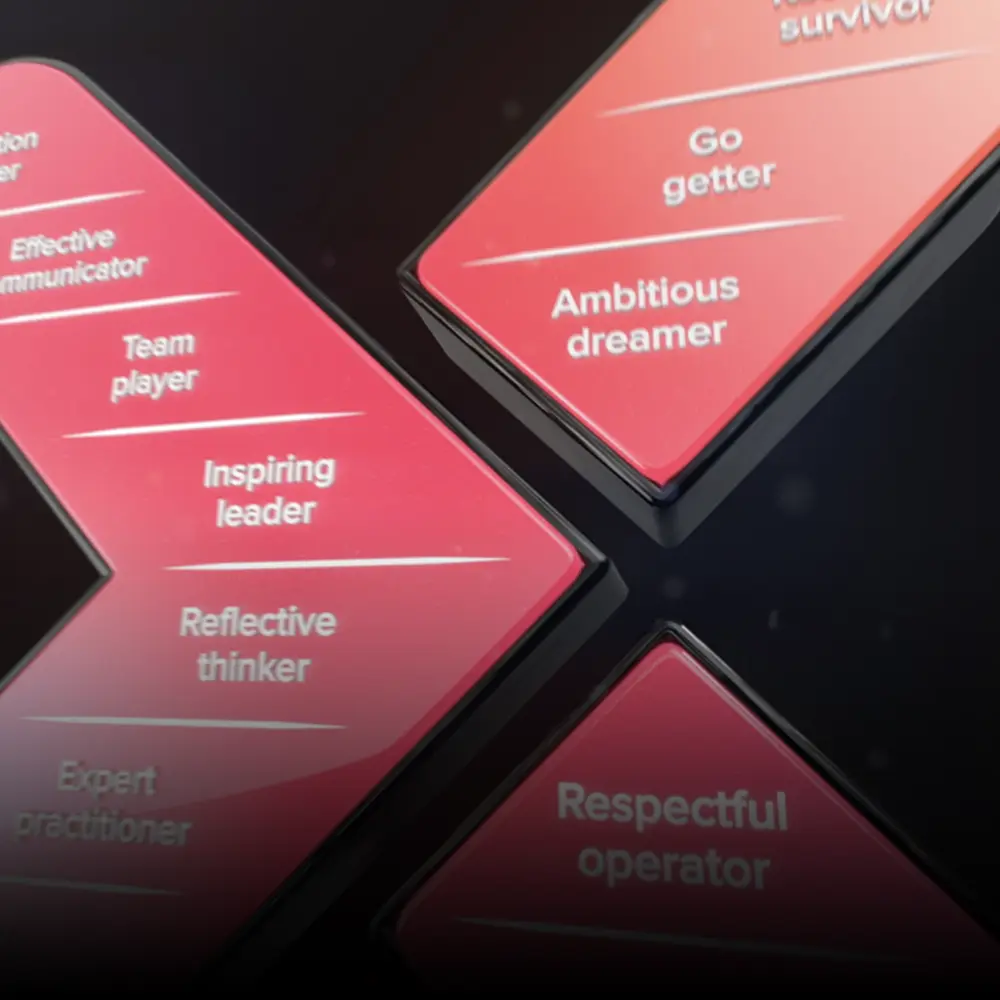
If extraordinary achievement isn't driven by a single factor, how do you make sense of what matters most?
Drawing on years of research, interviews and practical experience, we developed the X Model - a framework that captures the factors we consistently see in high-performing people, teams and organisations. Rather than focusing on a single trait, it recognises that success is shaped by the interaction of multiple elements, from mindset and behaviours to relationships, learning and environment.
The X Model provides a practical way of understanding performance and potential. It helps explain why some individuals and organisations consistently achieve exceptional results and, more importantly, where effort should be focused to improve outcomes.
Today, the X Model underpins much of our work. It informs how we develop leaders, build teams, design programmes and support organisations to achieve extraordinary things.
For more than a decade, we've had the privilege of learning from some of the world's most accomplished people. Presidents, Nobel Peace Prize winners, Olympic champions, CEOs, Oscar winners, astronauts, humanitarians, adventurers and pioneers in their fields.
What interests us isn't fame. It's performance. We want to understand how people achieve extraordinary things, what they do differently and how they respond when faced with pressure, uncertainty and setbacks. These conversations have helped shape our understanding of leadership, resilience, teamwork, decision-making and human potential.
But the most valuable insights don't always come from household names. Many of the people who have influenced our thinking most are individuals whose names you'll never recognise - people who have overcome significant adversity, rebuilt their lives or achieved remarkable things against the odds. It's often in these stories that we find the greatest lessons.
Together, these conversations have helped shape the thinking that sits behind BecomingX. Not a collection of inspirational quotes, but a deeper understanding of what enables people and organisations to perform at their best.


“If you do your best, at least you'll have no regrets, and you can look back and you can be proud of what you achieved.”
Our understanding of human performance has been shaped not only by the people we've interviewed, but also by years of reading, research and exploration. We've drawn insights from psychology, behavioural science, leadership, performance, education, organisational culture and human development.
No single book contains all the answers. But together, these ideas help build a richer understanding of what drives success - and why some people, teams and organisations consistently achieve extraordinary results.
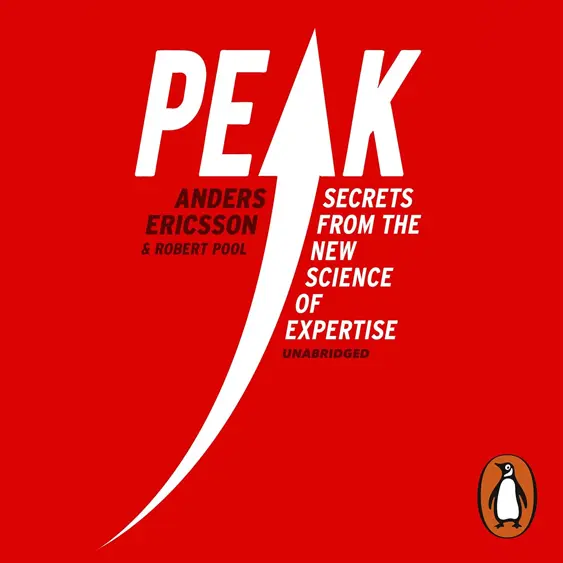
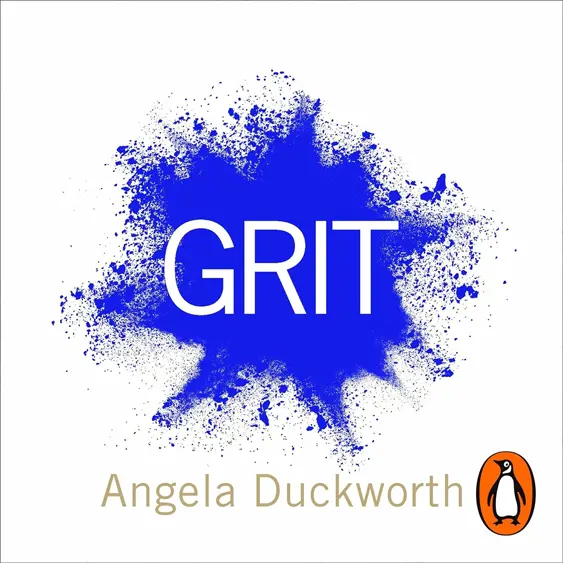
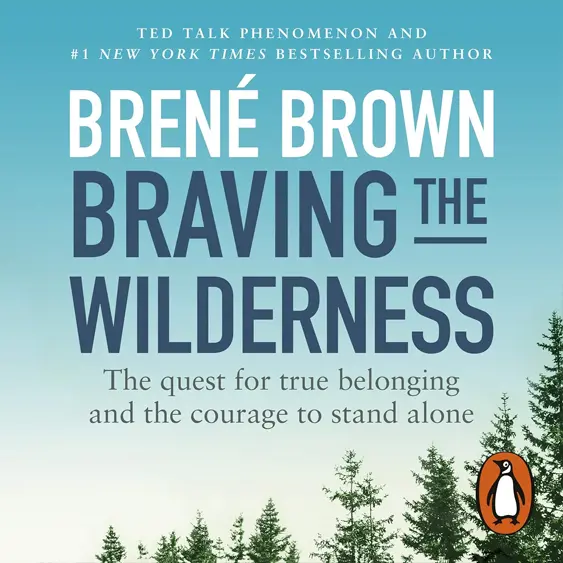
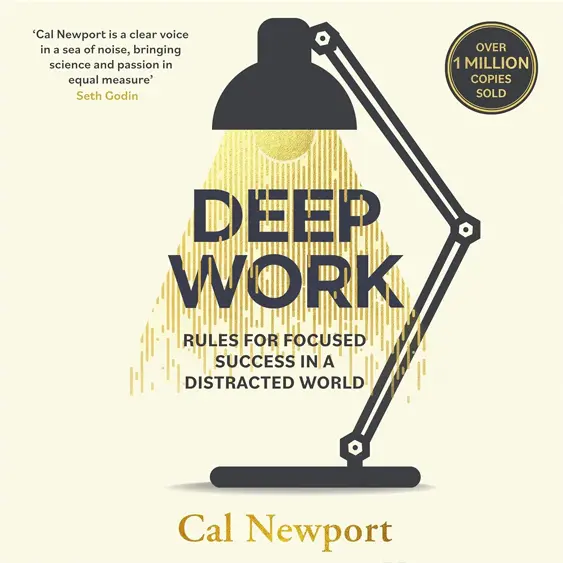
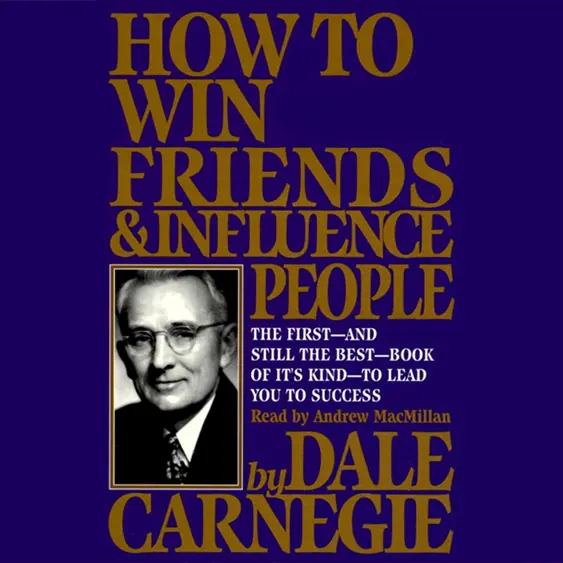
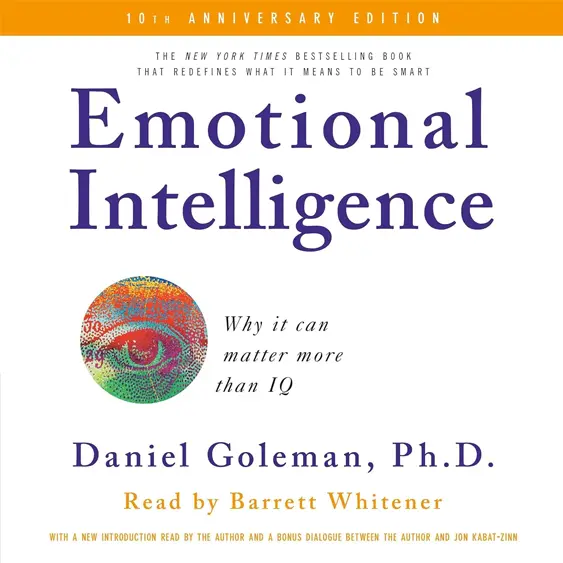
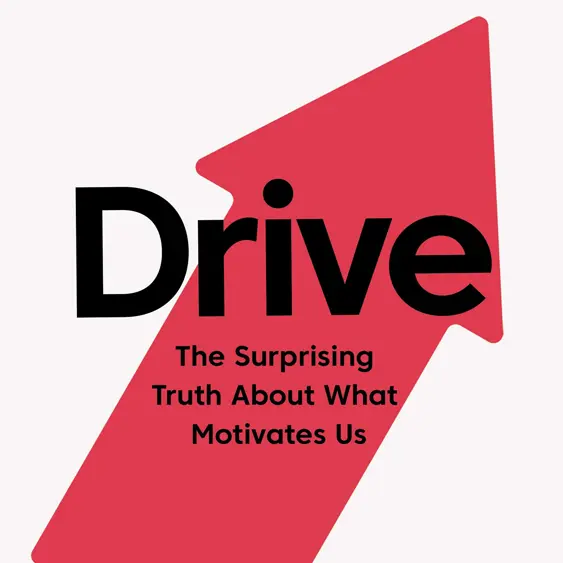
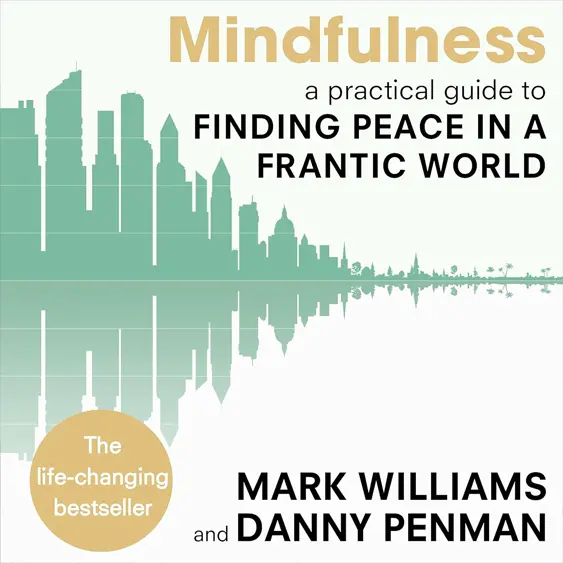
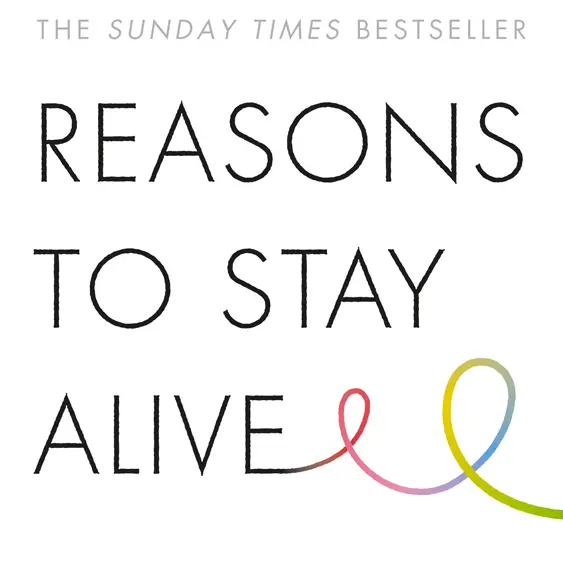
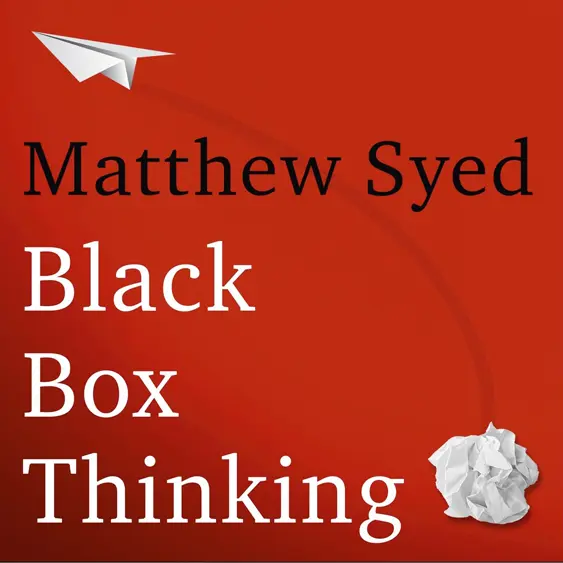
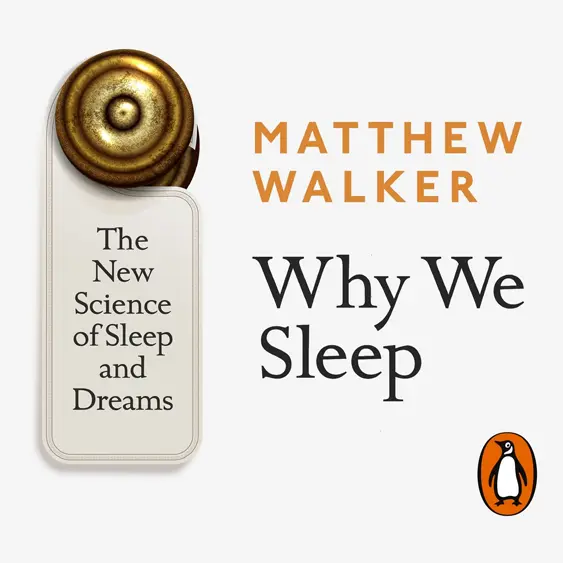
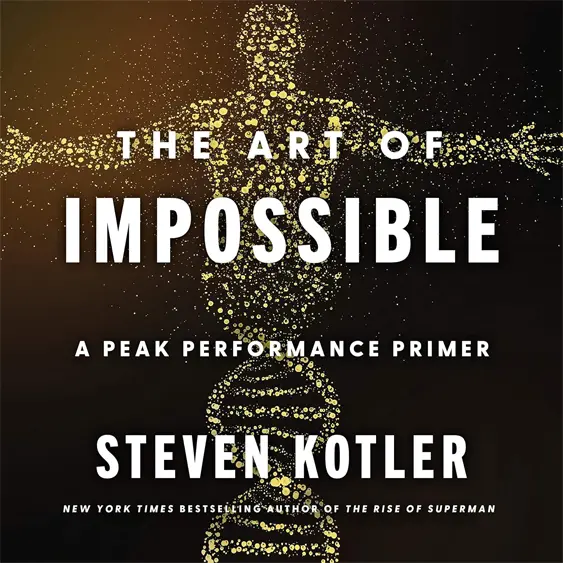
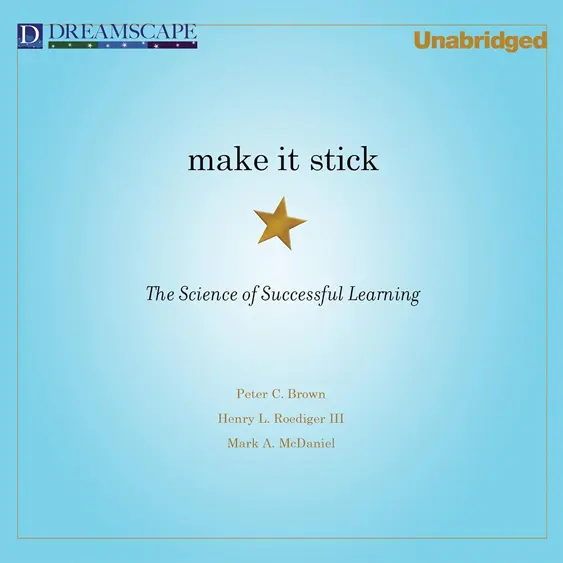
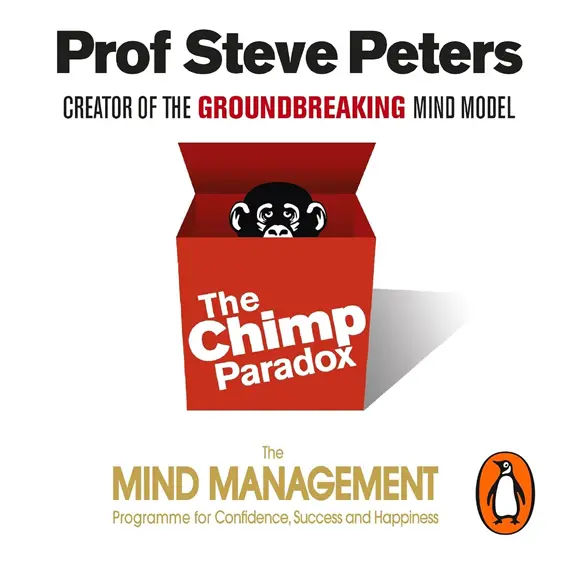
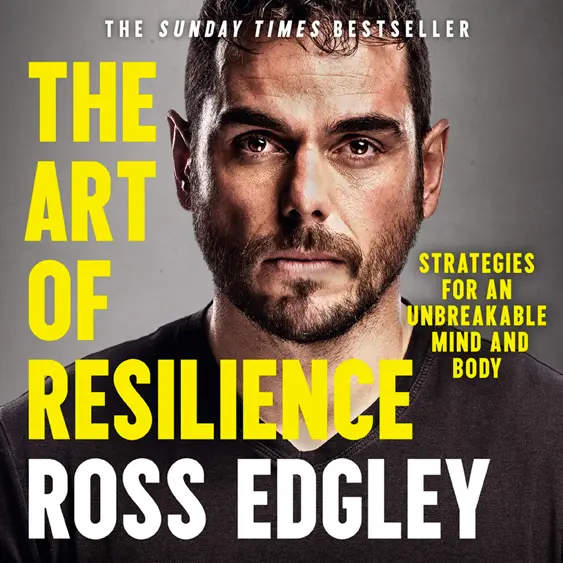
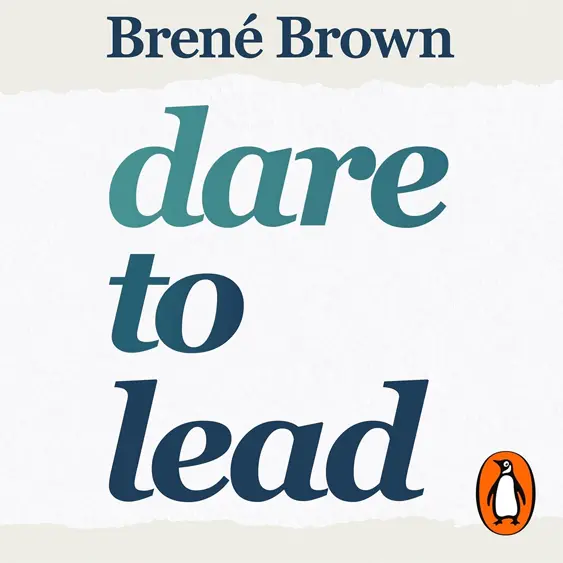
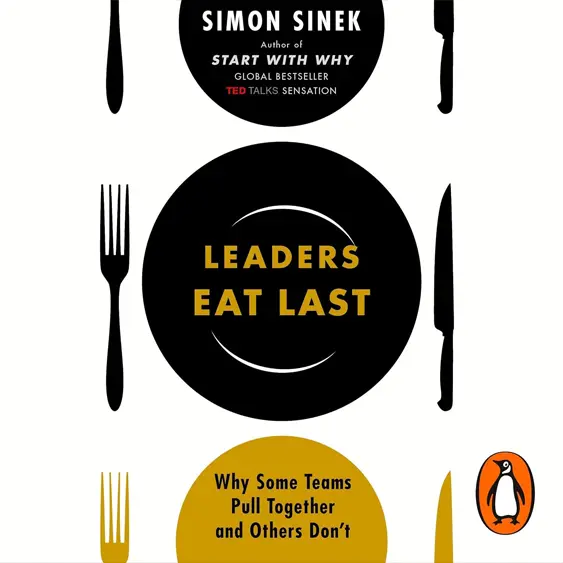
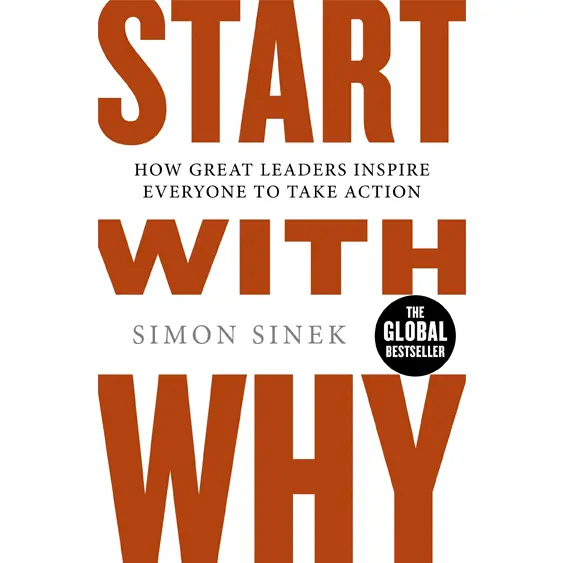
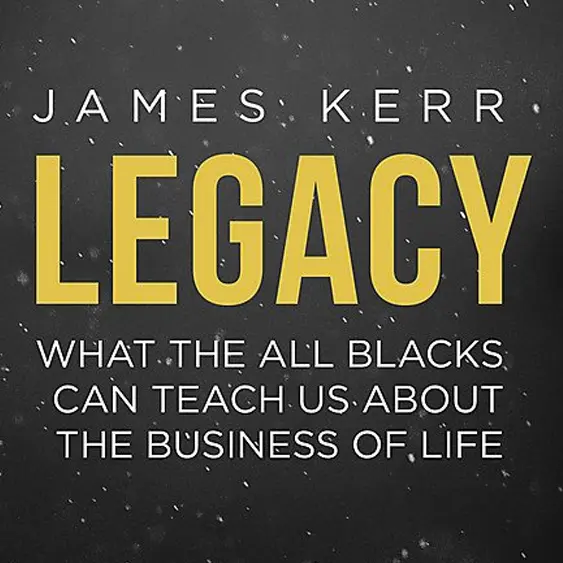
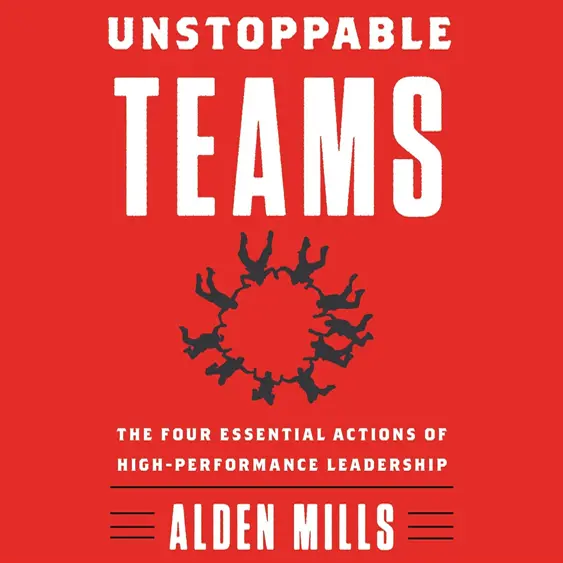
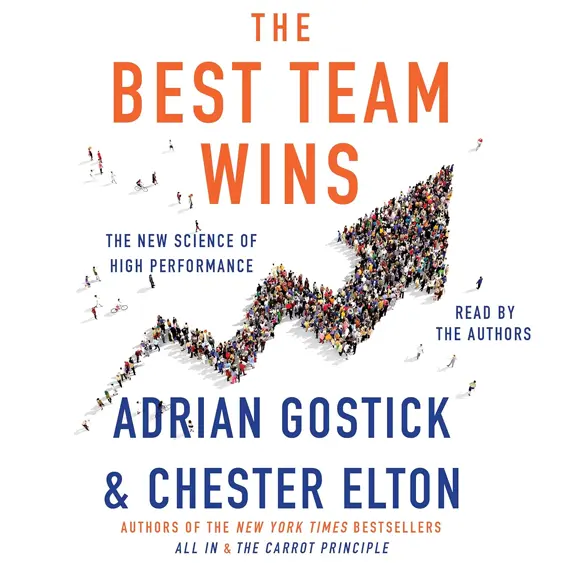
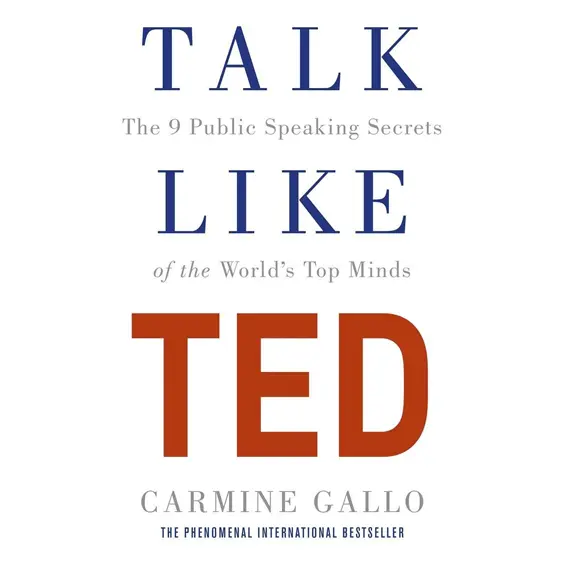
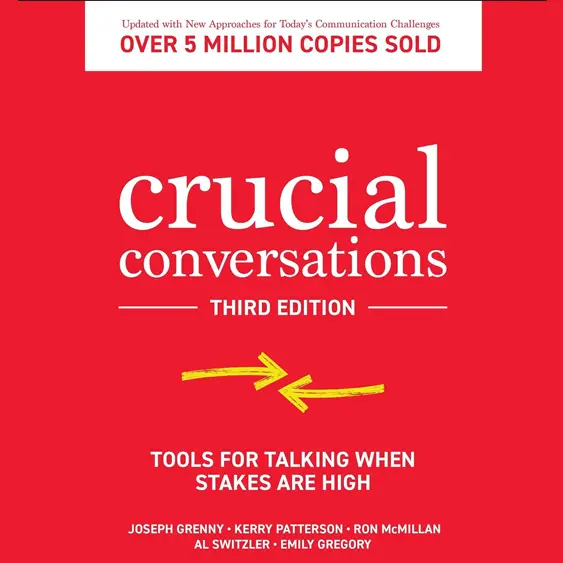
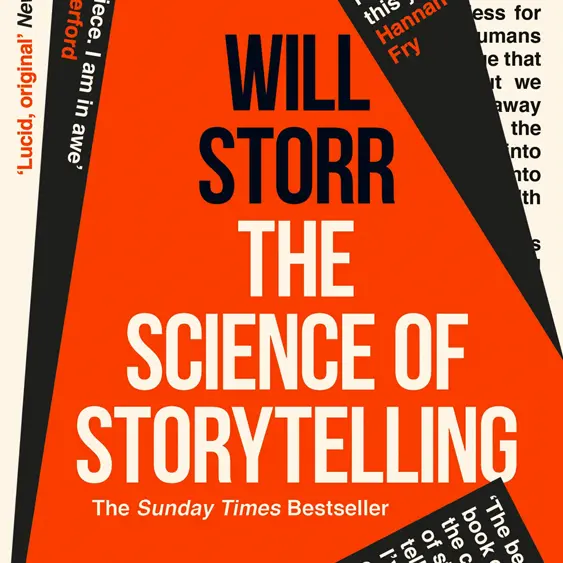
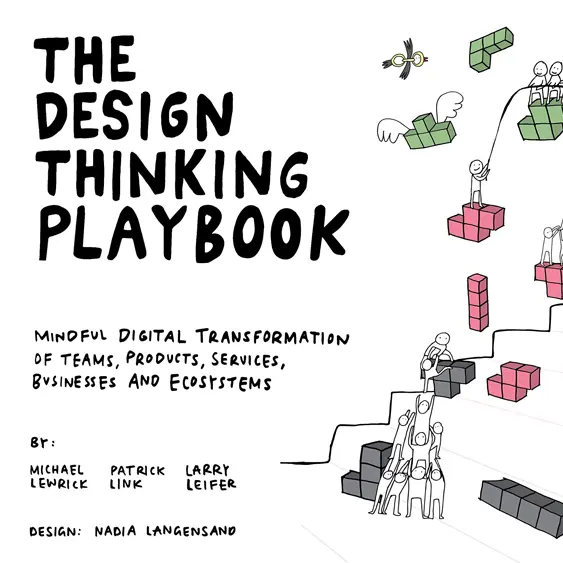
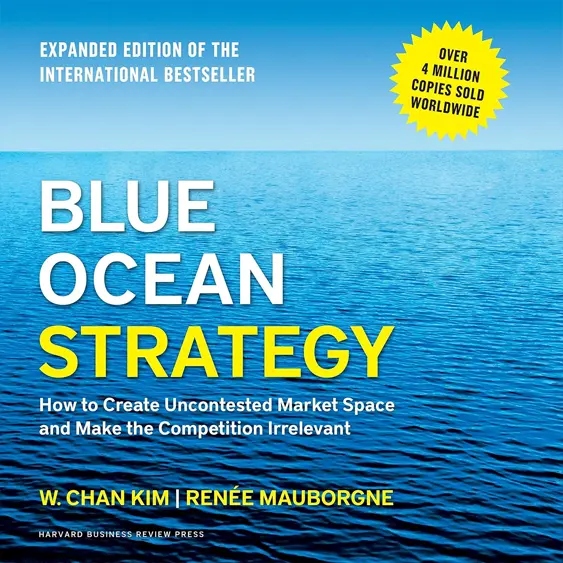
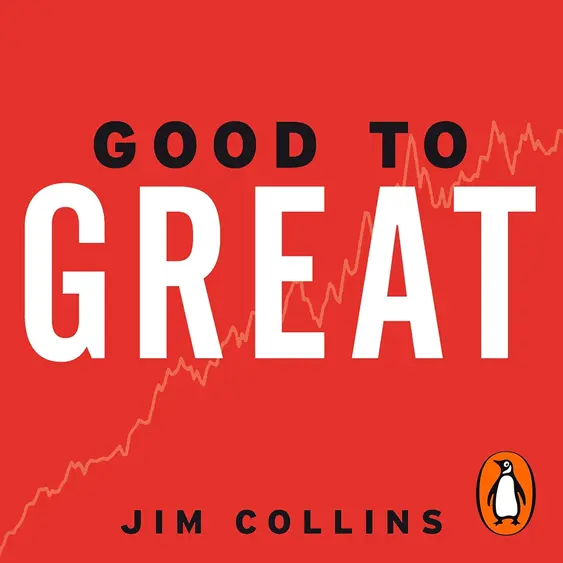
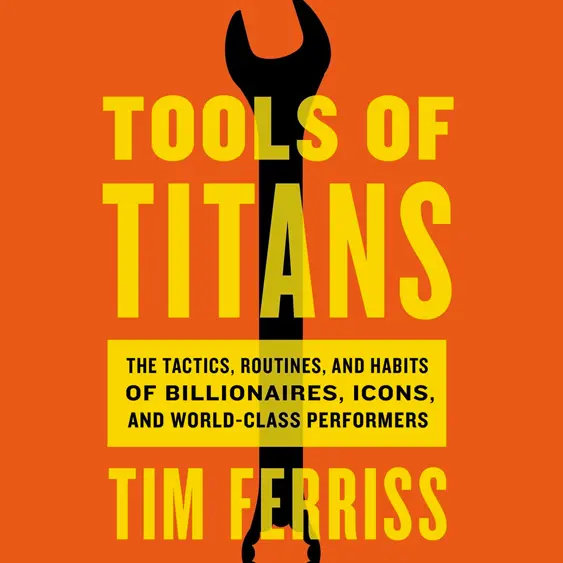
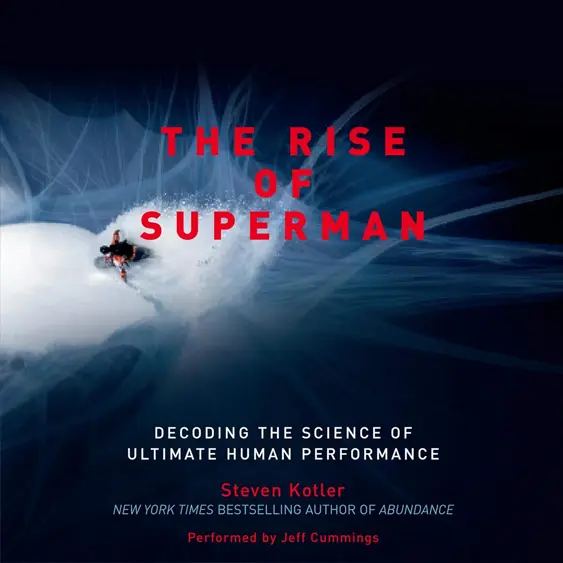
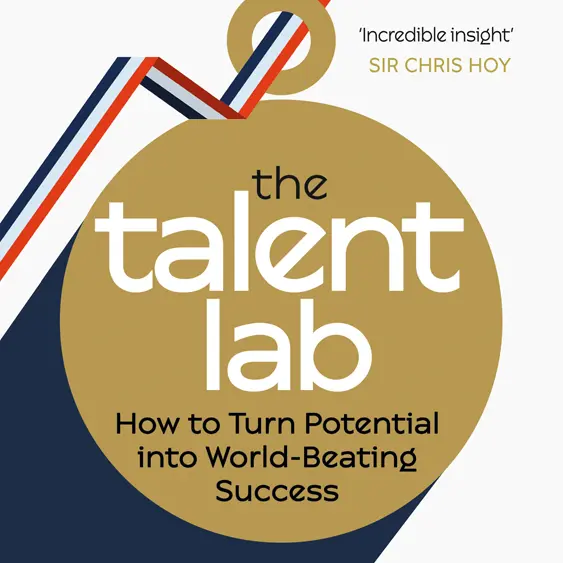
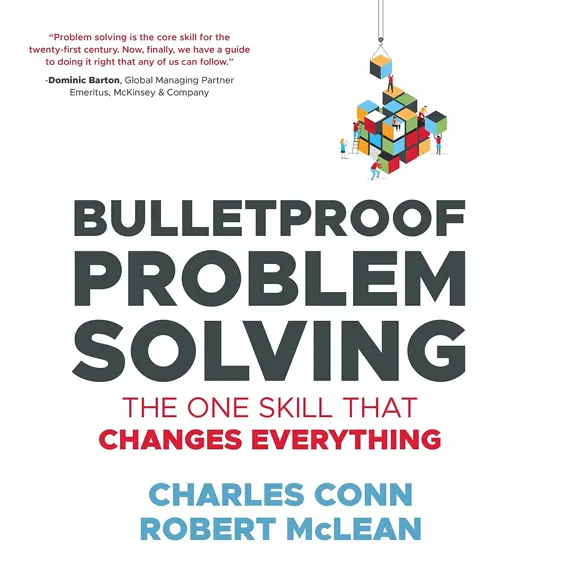
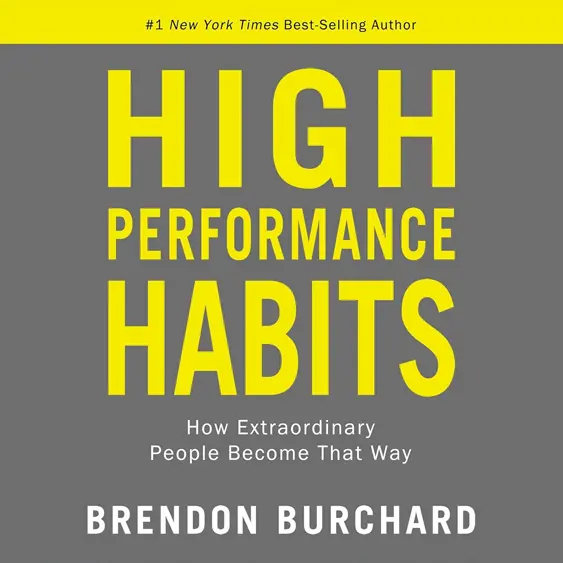
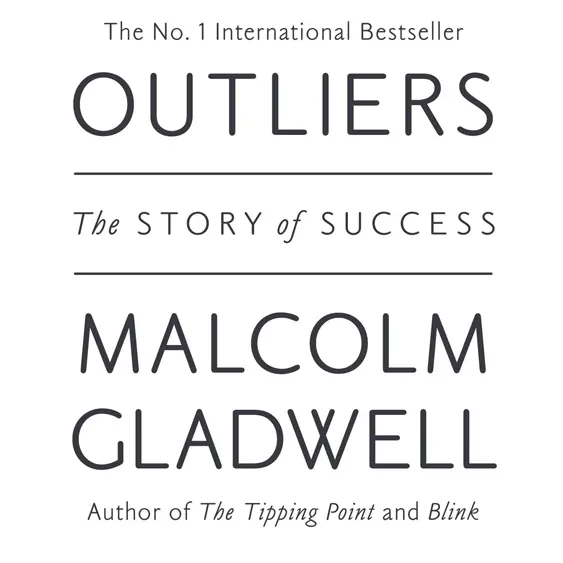
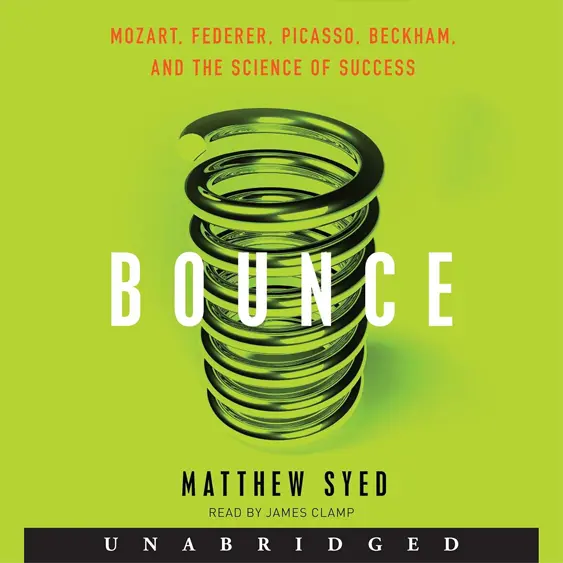
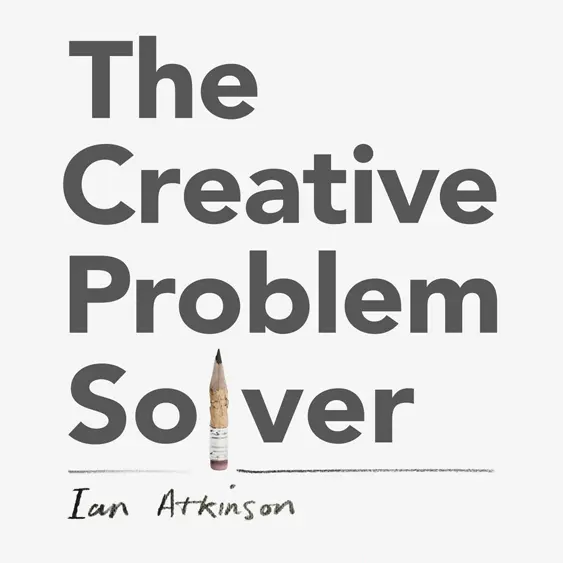
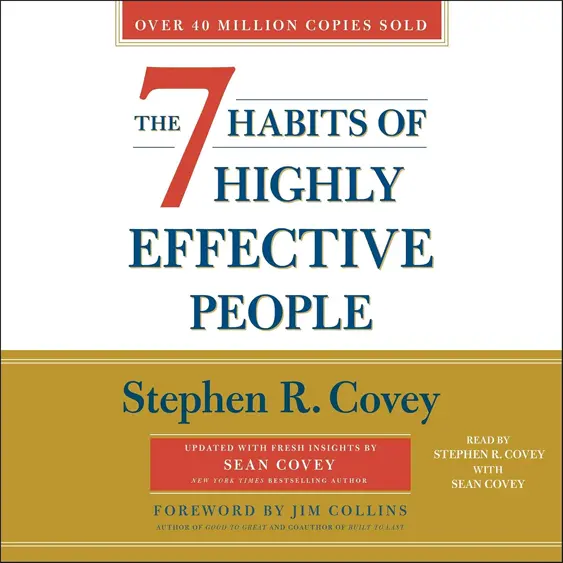
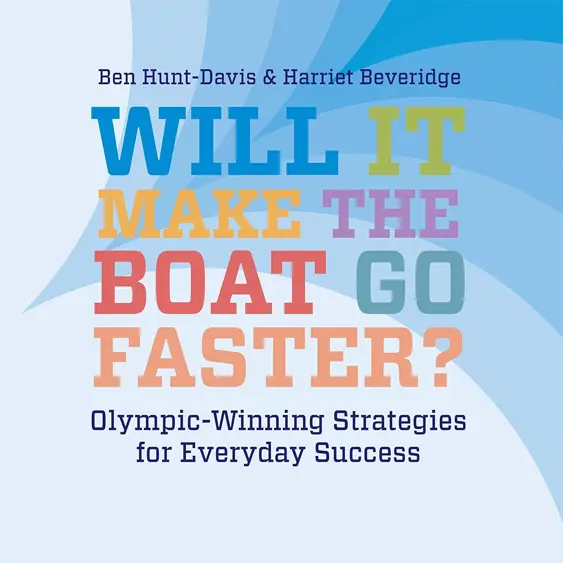
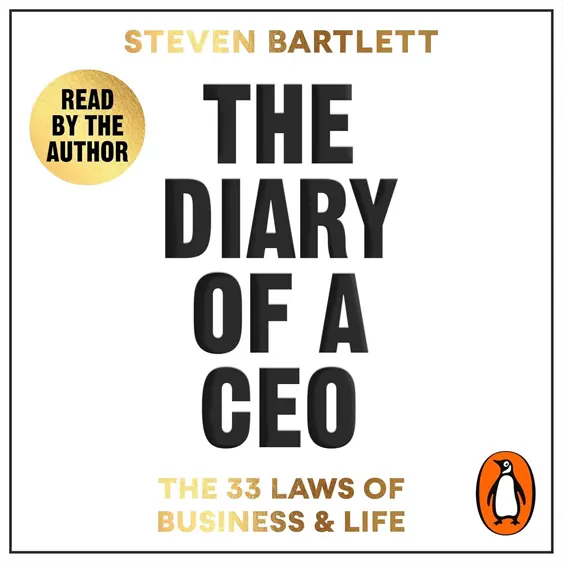
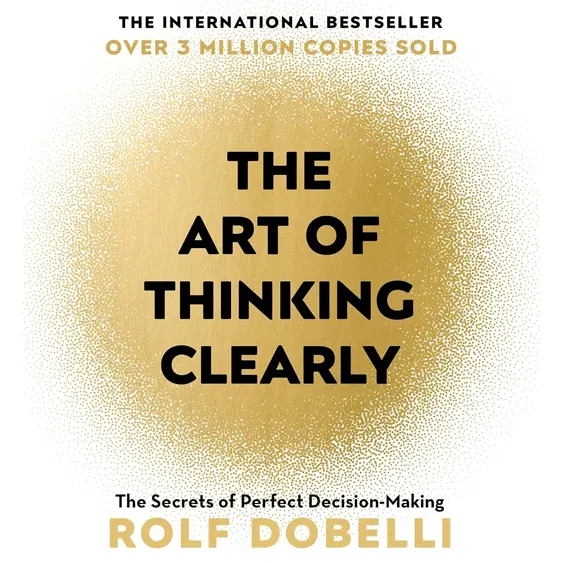
Below is a selection of books that have influenced our thinking and helped shape the work we do today.










Find out how we help people and organisations deliver real results.
See our services